
Retained Deciduous Teeth in Pets

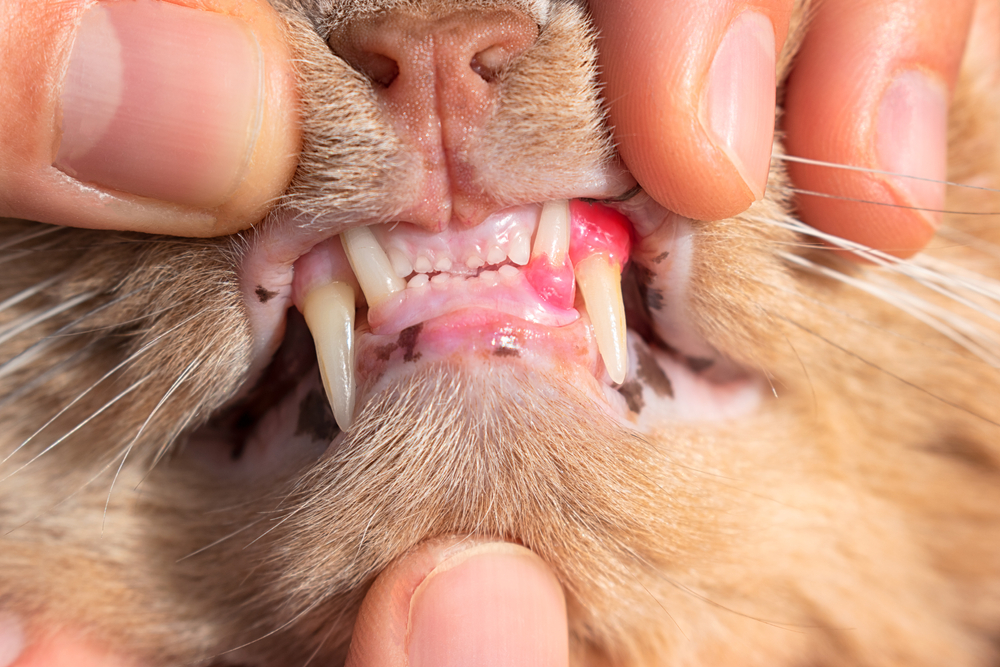
Dog and cat dentition develops similarly to humans—they are born without teeth, and a temporary baby set erupts shortly after birth. As adolescents, the permanent adult teeth erupt and the baby teeth fall out. The process sounds simple but is actually rather complex, and problems can occur with a pet’s teeth during this period. The [...]

FRL 411: Feline Resorptive Lesions in Cats

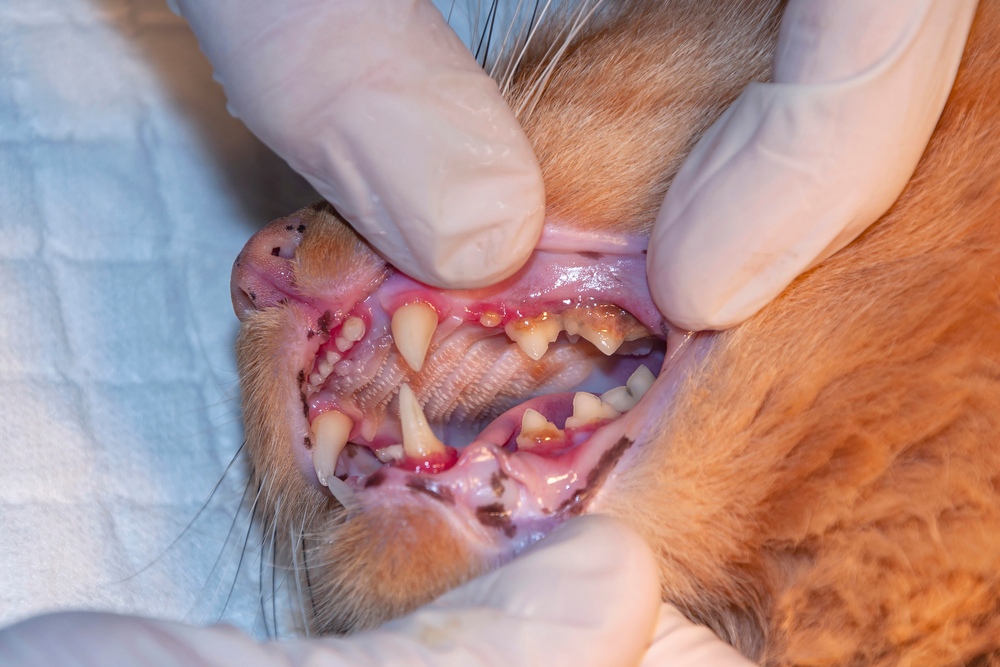
Feline resorptive lesions, also known as FRLs or tooth resorption, affect 20% to 60% of cats. If your veterinarian has referred your cat to North Bay Veterinary Dentistry for feline resorptive lesion treatment, here’s what you need to know about this painful condition and what it means for your cat’s long-term health. Resorptive lesions occur [...]

A Walk in Their Paws: Your Pet’s Anesthesia Experience

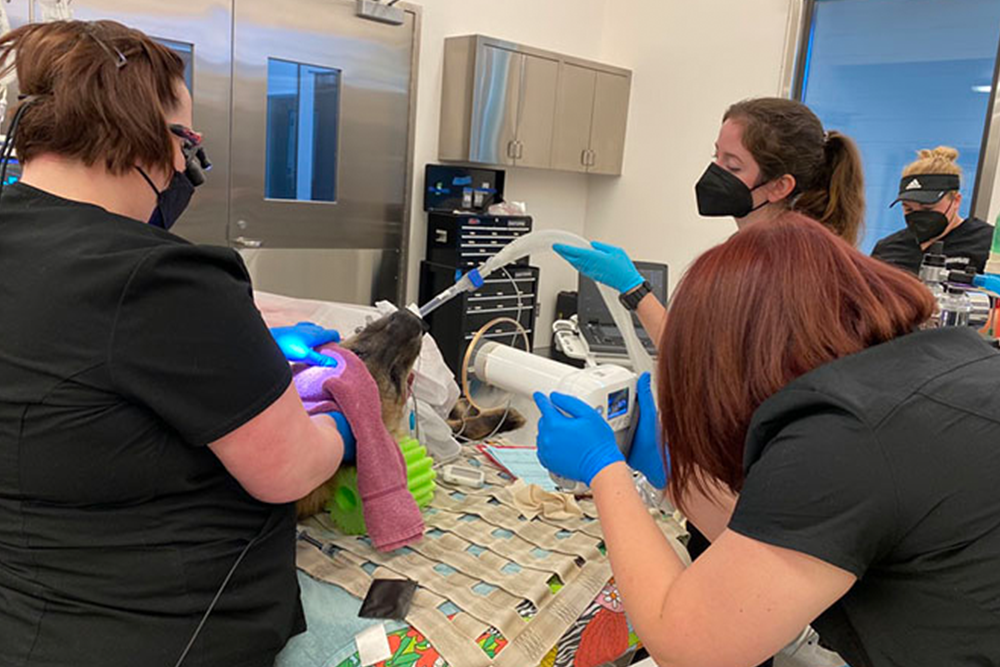
Pet owners commonly postpone their pet’s oral care because of anesthesia-related concerns. Sadly, this allows periodontal disease and other oral conditions to progress unchecked and as a result, many pets live with chronic pain and inflammation. General anesthesia is critical to ensure the safest possible patient dental experience. Here at North Bay Veterinary Dentistry, our [...]

Check Out That Mass: Oral Tumors in Cats

Most pet owners are unlikely to find an oral tumor in their feline friend. Be honest—how often do you thoroughly examine the inside of your cat’s mouth? Without routine oral exams, a tumor can go unnoticed until reaching a considerable size. In addition, most feline oral tumors are malignant, which means that early diagnosis and [...]

Check Out That Mass: Oral Tumors in Dogs

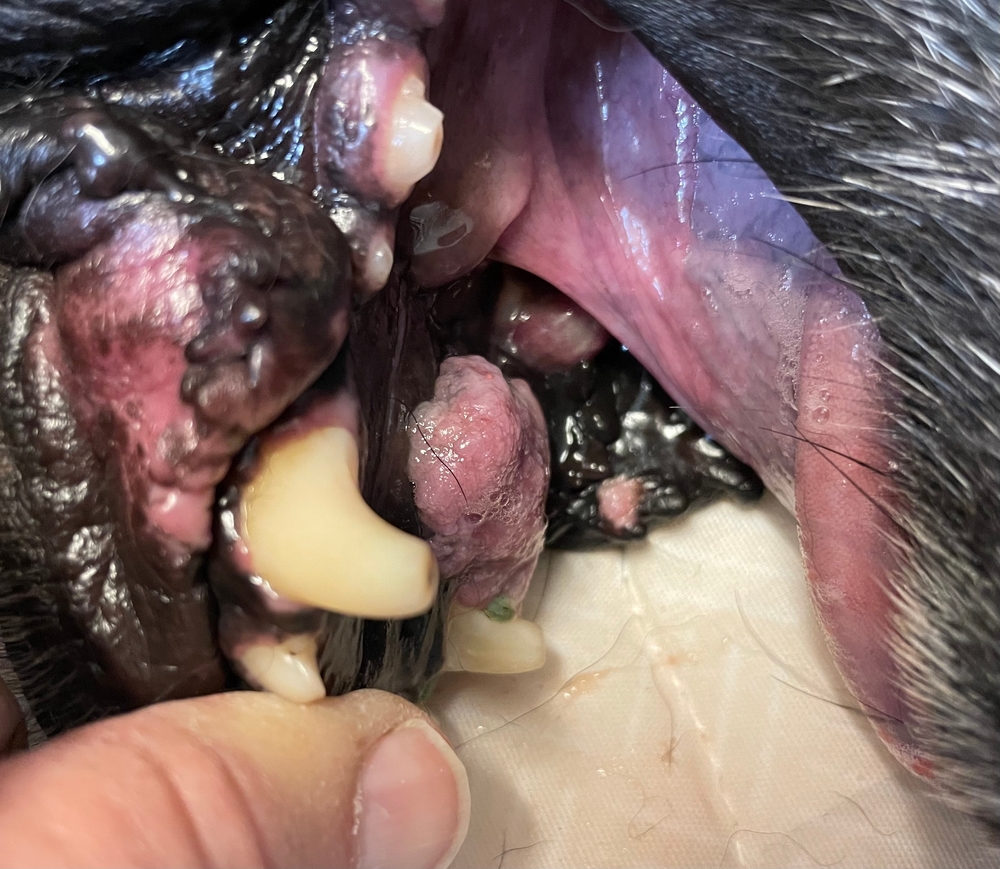
Oral cancers in dogs are relatively common, accounting for 6-7% of all canine cancers. Dogs can also develop benign oral tumors that can still significantly damage oral soft tissues and jaws. By knowing the signs to watch for in your dog, you can catch oral tumor development early, and provide your pooch with the best [...]

How Often Does My Pet Need a Professional Dental Cleaning?

Each pet has their own unique characteristics that cause plaque and tartar to accumulate, resulting in inflammation and periodontal disease to develop at different rates. While general guidelines recommend that all pets receive annual professional dental cleanings, each pet’s oral and overall health should be carefully assessed to determine their appropriate schedule. Several important factors [...]

Malocclusions in Dogs

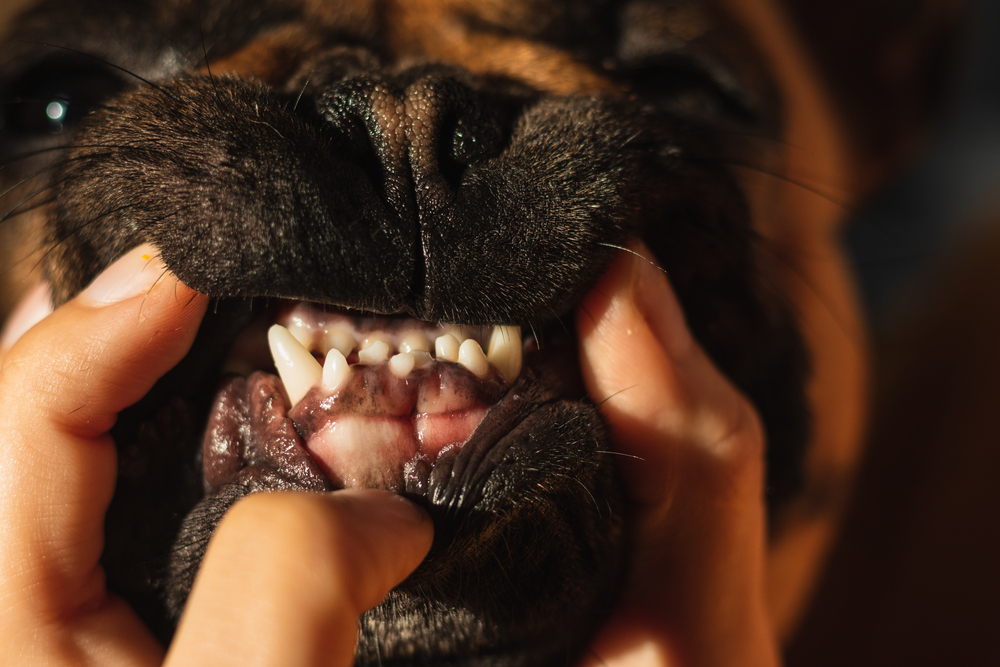
You may think your dog’s underbite adds to their charm, but malocclusions (i.e., misaligned teeth) can cause serious health issues for your canine friend. Our North Bay Veterinary Dentistry team doesn’t want your dog’s smile to be painful, and we provide information about why malocclusions can be problematic, and how these issues are addressed. What [...]

The Problem with Plaque: Periodontal Disease in Pets

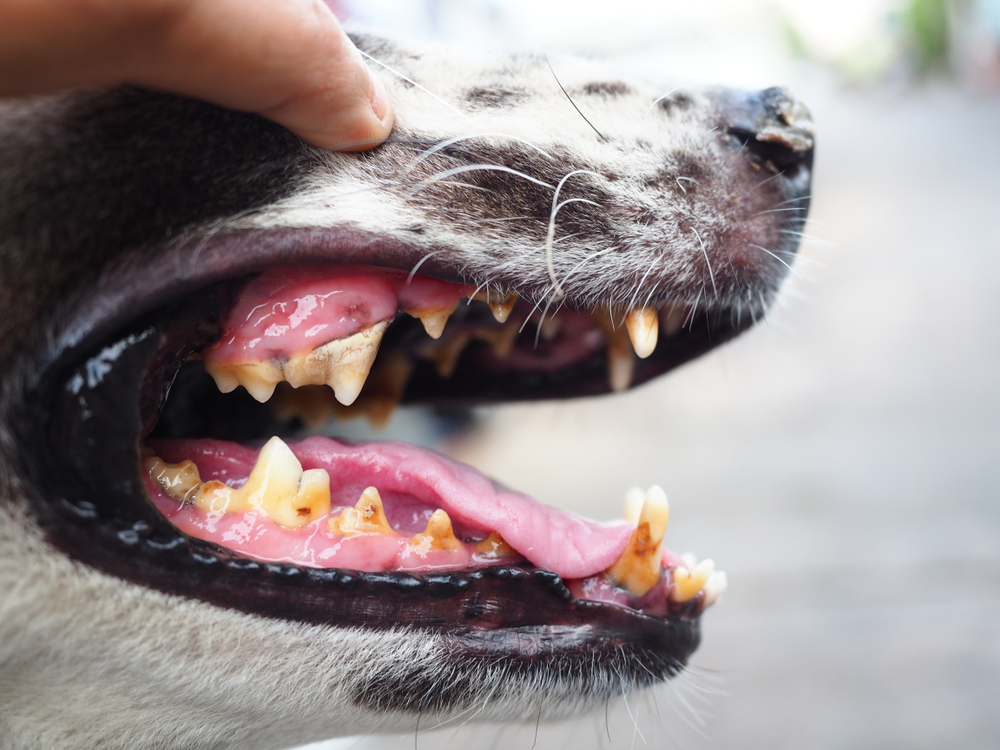
Periodontal disease is the most common condition that affects pets, with up to 90% of them experiencing some form of gum disease by age 2. Because this widespread condition is likely causing your furry pal discomfort right now, read our North Bay Veterinary Dentistry team’s guide to learn how to identify, treat, and prevent this [...]

Safe Chew Toys for Pets

Chewing entertains and enriches your four-legged friend. While dogs are much more likely to gnaw various items, cats also enjoy sinking their teeth into a toy. Tossing your pet a chew toy is a great way to occupy their mind and jaw, however, you should keep some chew toys away from your furry pal because [...]

Below the Gumline: Your Pet’s Professional Dental Cleaning

To maintain their oral health, cats and dogs need regular professional dental cleanings. While some groomers tout the benefits of anesthesia-free dental cleanings for pets, such services are simply cosmetic procedures that remove visible plaque and tartar without fully evaluating and cleaning the mouth. Follow along with our North Bay Veterinary Dentistry team as we [...]

Go to Top