
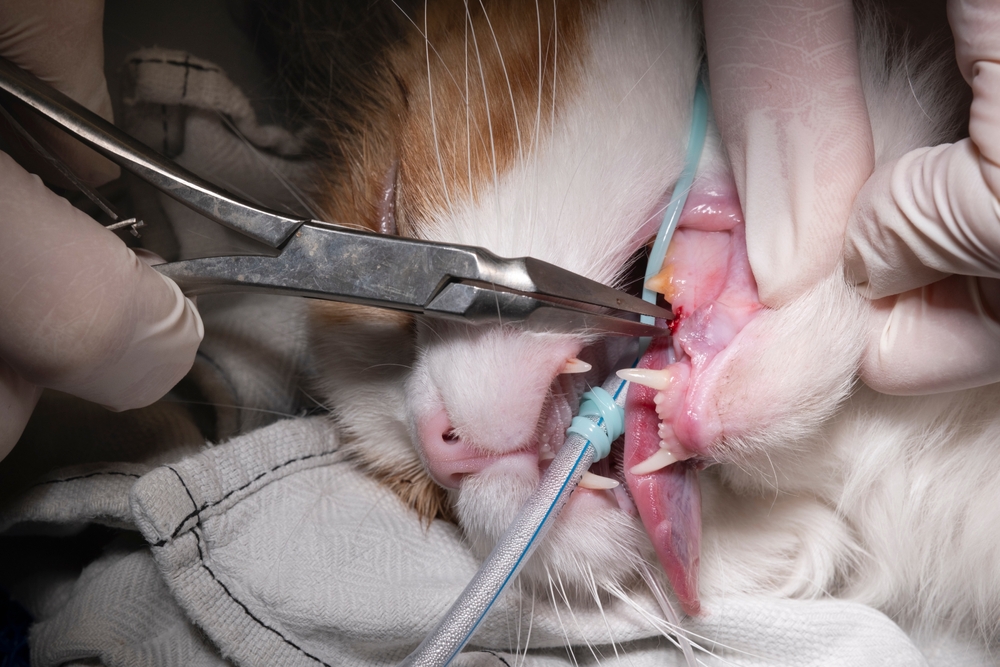
A dental procedure is real surgery performed under general anesthesia, and when it involves multiple extractions, a jaw already weakened by bone loss, or a full-mouth extraction, the hours and days that follow deserve genuine attention. Your pet may be groggy, uninterested in food, or a little wobbly the first evening, and that is normal as the anesthesia wears off. The care that matters most is a quiet place to rest, the right food at the right texture, and a close eye on the mouth as it heals. Knowing the difference between expected soreness and a warning sign that needs a call is what keeps a smooth recovery on track. Thoughtful post-dental surgery care protects the work that was just done and gets your pet back to eating and feeling like themselves.
North Bay Veterinary Dentistry in Petaluma is a specialty dental practice, which means the mouths we work on are usually the complicated ones: advanced periodontal disease, full-mouth extractions for stomatitis, fractured teeth, and jaws thinned by years of quiet bone loss. We perform every procedure under carefully monitored general anesthesia with safe recovery in mind from the first moment your pet is in our care. We send you home with clear, written instructions on feeding, activity, and what to watch for, and we are glad to answer questions once you are back home and something looks off. If your pet seems more uncomfortable than expected or you want us to take another look, request a recheck with us.
The Bottom Line
- Grogginess, a wobbly walk, and skipping dinner the first evening are normal aftereffects of anesthesia, not emergencies, and they usually fade within a day.
- Recovery scales with the work that was done: a single extraction is a quick bounce-back, while a full-mouth extraction can take several days before your pet finds their appetite.
- Soft or moistened food protects healing extraction sites, and cats with stomatitis or extensive oral disease may do best on wet food long-term.
- Hard chews, bones, and vigorous play need to wait until we confirm the mouth has healed, because healing tissue does not give the same pain feedback as a healthy mouth.
- Persistent bleeding, significant facial swelling, a reopened suture line, or a pet who stops eating for more than a day are all reasons to call us right away.
What Happens in the First Few Hours After Anesthesia?
The first evening home is the most disorienting stretch, because the drugs that kept your pet still and pain-free during the procedure take several hours to fully clear the body. That is why grogginess, a wobbly walk, and little interest in food right after are part of normal anesthesia recovery, not warning signs. Sound post-dental surgery care in these hours comes down to a few concrete things: a quiet place to rest off the anesthesia, soft food while extraction sites close, and a close eye on how your pet eats, drinks, and behaves over the next several days.
Set the home up before you walk in the door. A warm, quiet room away from other pets and busy foot traffic gives your pet room to sleep it off. Keep them off stairs and furniture the first night, since a groggy dog or cat misjudges a jump. Offer a small amount of water once they are steady, hold off on a normal meal until later that evening, and skip the enthusiastic greeting from the kids until tomorrow. Most pets are noticeably steadier by the next morning, though a pet who had extensive work will take longer to seem fully like themselves, and that is expected rather than a bad sign.
What Should I Feed My Pet After Dental Surgery?
Feeding after a dental depends entirely on what was done. A pet who had a cleaning with no extractions can usually return to normal food quickly, while a pet with extractions needs soft food for a stretch so the gum tissue closing over the sockets is not disrupted. Pets who had significant work done, or need their jaw to stay closed to allow for healing, may go home with a feeding tube. The general rule is soft and gentle until we tell you the sites have healed, usually around ten to fourteen days.
Soft or moistened food is the rule for a stretch of days after tooth extractions, because kibble and hard treats can lodge in or reopen a healing socket before the gum tissue has closed over it. Good options include canned food, kibble softened with warm water into a mush, or a prescription soft diet. Serve it at room temperature, since cold food straight from the fridge can bother a sore mouth. When the healing window is up and we have confirmed things look good, you can transition back to a normal texture over a few days by mixing in more of the regular food each meal.
For cats with stomatitis or widespread oral disease, tooth extractions in cats can mean a longer stretch on soft or wet food, and some are simply more comfortable staying on it for good. Stomatitis is a painful, whole-mouth inflammation, and cats who need stomatitis treatment often turn a corner once the trigger teeth are gone, though their comfort with softer food tends to last.
What Does At-Home Care Look Like During Recovery?
Good home care after a dental comes down to three things: giving medications correctly, keeping the mouth away from anything hard, and easing back into a gentle hygiene routine once healing is confirmed. None of it is complicated, but doing it consistently is what protects the surgical work.
How Do I Give the Medications Correctly?
Most pets go home with pain medication and sometimes an antibiotic, and finishing the full course matters even after your pet seems back to normal. Pain control keeps them eating and resting, and stopping antibiotics early can let an infection regroup. Hiding a pill in a small amount of canned food or a soft treat usually works, though check with us before using a rich pill pocket if the stomach seems sensitive. Watch for signs a medication is not agreeing with them: vomiting, diarrhea, no appetite, or unusual lethargy beyond the first day all warrant a call so we can adjust the plan. Never add over-the-counter human pain relievers, which can be toxic to dogs and cats.
What Should I Avoid During Recovery?
Hard chewing is completely off the table while extraction sites heal. This is the rule pet families most often relax too soon, usually because the pet seems to feel fine. Healing tissue does not send the same pain feedback as an intact mouth, so an enthusiastic dog can damage a fresh site without flinching.
Antlers, bones, hooves, and rock-hard nylon toys top the list of unsafe chew items; they fracture healthy teeth on a good day, and near a healing extraction site they are entirely off-limits. The same objects that crack a tooth are the ones that sometimes send a pet back to us for protective crowns for broken teeth, so keeping them away is worth it long after recovery too. Skip rawhides, tennis balls, and tug-of-war for now, and hold vigorous play, hard running, and rough housing with other pets for a week or so. Calm walks and gentle attention are perfect.
When Can Tooth Brushing Start Again?
Brushing directly over an extraction site needs to pause until the gums have healed, because the bristles disrupt the very tissue you want to knit closed. Gentler measures like a dental rinse or wipe may resume first once we give the go-ahead. The long game matters here: establishing a daily home dental routine after recovery is the single best thing you can do to slow the plaque and tartar that lead to the next extraction. A mouth that gets brushed most days simply holds up better over the years.
Are Cones Really Necessary?
We know that cones, or Elizabethan collars, aren’t fun for anyone involved. They’re a necessary part of healing for many pets who had significant dental work done. Sutures can itch and pull at the tissue, causing your pet to feel the need to paw at them or chew on something to relieve the feeling, which can undo your investment in seconds. Keep the cone on until we give the all-clear.
What Does Normal Healing Look Like, and When Should I Call?
Normal healing at an extraction site looks a little alarming at first, then steadily better. Expect the gum to look pink to slightly red with a bit of mild swelling, maybe a trace of blood-tinged drool the first day, and a pet who is a touch quieter and eating a little slowly. Those signs should improve day by day, not worsen.
Some behavior changes are part of the deal. A pet who paws at the mouth once or twice, eats more cautiously, or wants extra sleep is usually just sore. What should prompt a call is anything that falls outside that pattern. Reach out to us if you see:
- Persistent or worsening bleeding: a little pink drool the first day is fine, but active or repeated bleeding is not.
- A reopened suture line: gaps in the stitches or visible tissue pulling apart at the site.
- Significant facial swelling: puffiness along the jaw, cheek, or under the eye, especially if it is growing.
- Systemic signs of illness: no appetite past the first day, a fever, hiding, or a pet who is clearly getting worse rather than better.
When any of that shows up, call us so we can decide together whether your pet needs to be seen. Trust your read on your own pet: you know their normal better than anyone.
What Complications Can Happen After a Dental Procedure?
Most dental procedures heal without a single hiccup, and the odds are strongly in your pet’s favor. Still, knowing the handful of complications that occasionally occur means you can spot them early and let us know, which is exactly when they are easiest to fix.
| Complication | What you might notice | What it needs |
| Wound dehiscence | A reopened or gaping suture site | Veterinary evaluation, not home care |
| Oronasal fistula | Sneezing, nasal discharge, food from the nose | Surgical repair |
| Post-extraction abscess | New facial swelling, heat, a draining tract | Same-day evaluation |
| Jaw fracture (rare) | Sudden pain, a dropped or misaligned jaw | Urgent surgical repair |
What Is Wound Dehiscence?
Wound dehiscence is when a sutured extraction site partially or fully opens back up before it has finished healing, and it needs to be looked at in the clinic rather than managed at home. It can follow too much chewing, licking, poor healing, or tension on the site, and it shows up as a gap in the stitches or exposed tissue. Left alone, an open site invites food and bacteria in, so we would rather see it and close things back up.
What Is an Oronasal Fistula?
Oronasal fistulas are abnormal openings between the mouth and the nasal passage that can develop after extraction of certain upper teeth, and the sneezing, nasal discharge, or food coming through the nose they cause calls for surgical repair rather than watchful waiting. The upper canine teeth are the most common culprits, since their long roots sit right against the nasal cavity. This is a fixable problem, but it does not close on its own.
Can an Abscess Form After Extraction?
A tooth abscess announces itself with facial swelling, heat and tenderness over the area, and sometimes a draining tract on the face, and any new swelling after a dental procedure earns a same-day call. These can occur if antibiotics are stopped too early, if food is pushed up into the extraction site, or if your pet chews on something inappropriate.
How Rare Are Jaw Fractures?
Mandibular fractures are rare, but they can occur when a tooth is removed from a jaw already thinned by advanced periodontal bone loss, which is exactly why high-risk patients are identified and discussed at the pre-procedure consultation. Careful full-mouth dental radiographs and cone-beam CT let us see how much bone remains before we ever start, so the plan fits the mouth in front of us. Signs would include sudden pain, a jaw that hangs oddly, or a pet who will not close the mouth.
How Is Recovery Different for Dogs and Cats?
Species shapes how the mouth heals. In dogs, large multi-rooted teeth leave bigger sites to close, so recovery takes a bit more time. Cats recovering from full-mouth extraction for stomatitis face a longer but genuinely worthwhile healing period, and most come out more comfortable than before. For both species, the e-collar stays on until we say otherwise.
The range of tooth extraction complications reflects those differences. A dog’s big carnassial and canine teeth anchor deep, so their sockets take longer to fill in, and that warrants patience with the soft-food window. Cats who have every tooth removed for stomatitis look like they have been through a lot at first, but weeks later many are more playful than they have been in years. And toothless cats eat just fine, which surprises almost everyone.
Frequently Asked Questions About Post-Dental Recovery in Pets
How long until my pet is fully back to normal?
It depends heavily on how much was done. A pet who had a cleaning with a single extraction is usually bright and eating within a day or two. A pet who had ten or twenty teeth removed, or a full-mouth extraction for stomatitis, may take several days to find their appetite and a couple of weeks to seem fully like themselves, which is normal for that scale of surgery. Either way, the gums typically take about ten to fourteen days to close, so the soft-food and no-hard-chewing window runs through that period. Energy usually returns well before the mouth fully heals, which is exactly why activity and chew restrictions stay in place even when your pet seems ready to party.
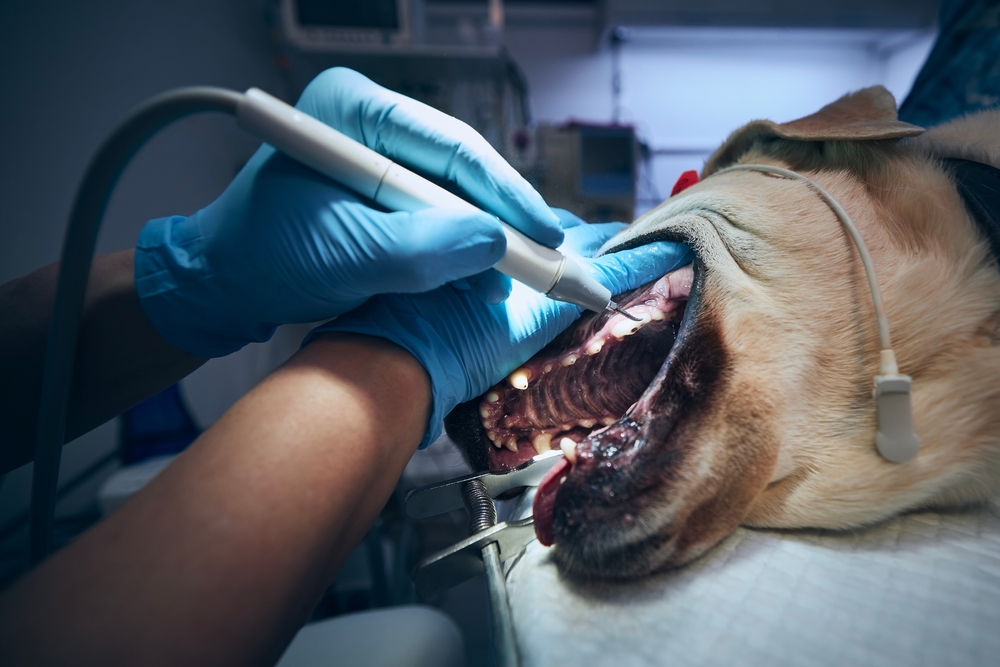
My pet will not eat the night of the procedure. Should I worry?
A skipped meal the first evening is common and expected as the anesthesia clears. Offer a small amount of soft, room-temperature food and fresh water, and let them rest. Most pets eat by the next morning, though a pet who had extensive extractions may take a little longer to get going. If your pet still refuses food a full day later, or seems painful, nauseous, or unwell, give us a call so we can check in and make sure the recovery is on track.
Is a little blood in the saliva normal after extractions?
A trace of blood-tinged drool on the first day is normal and usually clears quickly. What is not normal is active bleeding, blood that keeps coming back, or a site that looks like it is oozing steadily. If you can gently look and see ongoing bleeding, or if your pet seems to be swallowing a lot of blood, contact us so we can take a look and rule out a reopened site.
A Smooth Recovery Sets Up a Healthier Mouth
Following the home care instructions, keeping the food soft, holding off on hard chewing, and watching for the warning signs are what protect the work done during the procedure and get your pet back to their normal, happy self. Nearly every dental recovery goes smoothly, and the small effort in those first two weeks pays off in a comfortable mouth for a long time to come.
When something looks off or you are simply not sure, early communication gives us the best chance to keep things on track. Please reach out with post-procedure questions any time you are worried.


Leave A Comment