
Does Diet Affect Your Pet’s Dental Health?
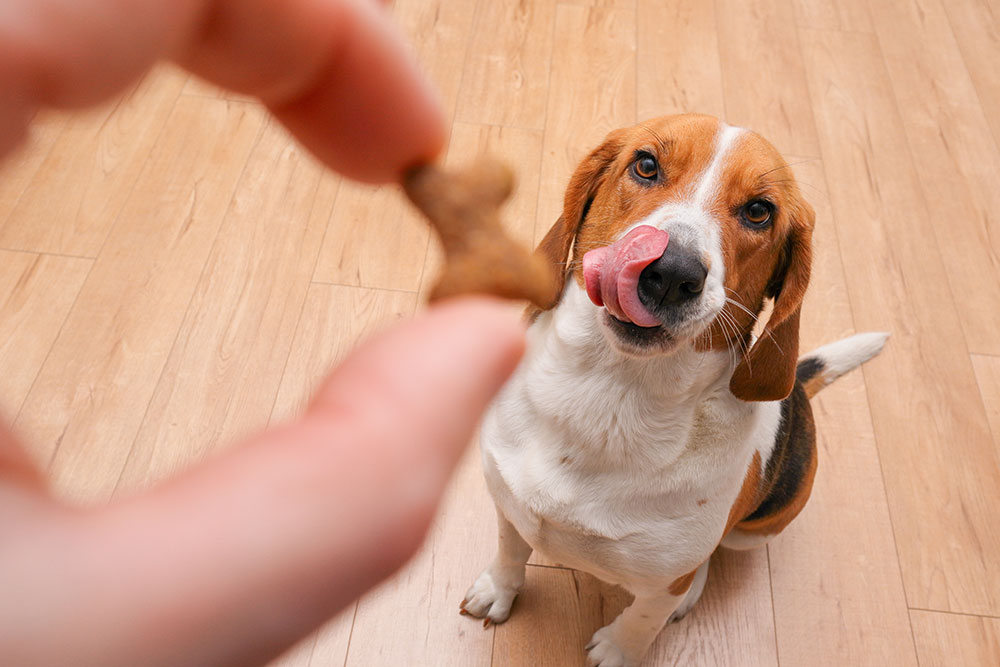
Yes, and the connection may be more important than you think. For pets with ongoing dental problems, what goes in the food bowl can influence how quickly plaque builds up, whether gums stay healthy, and in some stubborn cases, whether treatment works at all. Diet will not replace professional dental care, but the right choices can support everything else you and your veterinarian are doing.
At North Bay Veterinary Dentistry in Petaluma, CA, we specialize in pets whose dental disease is chronic, severe, or has not responded to previous treatment. We provide complete care under general anesthesia and build treatment plans that include dietary recommendations when they can help. If your pet has ongoing dental problems, contact us to discuss how we can help.
How Does Food Affect Gum Disease?
Periodontal disease starts when bacteria form a sticky film called plaque on teeth. Within days, that plaque hardens into tartar. Bacteria keep multiplying along the gumline, triggering inflammation that eventually destroys the bone holding teeth in place. Once bone is lost, it does not come back.
Diet influences this process in several ways:
- Texture: Foods that require chewing can scrape some plaque off teeth
- Nutrition: Certain vitamin and mineral deficiencies weaken gum tissue
- Food sensitivities: In some pets, adverse food reactions may drive oral inflammation
The worst damage happens below the gumline where you cannot see it. That is why professional cleaning under anesthesia is essential. Our periodontics service treats what is actually happening in your pet’s mouth, not just what is visible on the surface.
Does Dry Food Actually Clean Teeth?
Not the way most people think. Standard kibble shatters on contact because most pets swallow it without really chewing. However, research shows the picture is more complicated.
What the studies found:
- A study on kibble size showed that making pieces 50% larger led to 42% less tartar. Bigger kibble forces more chewing.
- Research on cat oral health found that younger cats on dry diets had healthier teeth than older cats on wet diets, especially on the front teeth.
- A 28-week study comparing diets in cats found that cats eating dry food had less tartar, less gum inflammation, and healthier bacteria in their mouths.
The bottom line: Specially designed dental diets with larger kibble may help. Regular kibble that gets swallowed whole does not do much. And wet food can still be extremely beneficial- it has real benefits for hydration, kidney health, and comfort in pets with mouth pain.
We can help you weigh the trade-offs for your individual pet during your visit.
Can Diet Help Cats With Stubborn Mouth Inflammation?
Sometimes, yes. Feline chronic gingivostomatitis (FCGS) causes severe, painful inflammation that often does not respond to standard treatments like steroids, immune-suppressing drugs, or even tooth extractions. These cases are heartbreaking for everyone involved.
New evidence suggests food sensitivity may play a role in some cats. A case report on diet and gingivostomatitis documented a cat whose painful mouth lesions had not improved with any conventional treatment. After 30 days on a hypoallergenic diet, the lesions completely cleared. When the cat went back to regular food, the lesions returned within a week. Switching back to the special diet resolved them again.
This will not work for every cat. But for cats who have tried everything else, a dietary trial is worth considering. We can help identify the right approach for stubborn cases.
Do Nutritional Deficiencies Affect Oral Health?
Yes. Research on nutrition and dental disease shows that deficiencies in vitamins A, C, D, E, and several B vitamins are linked to gum disease. Low calcium can weaken the bone supporting teeth.
Homemade diets are a particular concern because they often lack nutrients found in commercial foods that meet nutritional standards. For pets with chronic dental disease, complete and balanced nutrition is not optional.
Are Raw Diets and Bones Good for Teeth?
No. The risks outweigh the claimed benefits.
Health concerns with raw and homemade diets:
Research on diet and health outcomes found that dogs on raw diets were 1.7 times more likely to have respiratory disease. Dogs on home-cooked diets had higher rates of liver, kidney, and digestive problems.
The fracture problem:
Bones are one of the most common causes of broken teeth that we treat. Dog enamel is thinner than human enamel, and raw diet risks include fractures that expose the nerve and create a direct path for infection. One chew session can crack a major tooth.
Safer chewing options exist. We can recommend alternatives that match your pet’s chewing style.
Which Dental Chews Actually Work?
The Veterinary Oral Health Council tests products and awards a seal to those that meet specific standards. Choosing VOHC-approved products helps you find items with proven benefits.
For pets with dental disease, chew selection matters even more. Weakened teeth can fracture. Periodontal pockets can trap debris and worsen infection. We use digital imaging to see what is happening below the surface, then recommend chews that are safe for your pet’s actual condition.
What Chews Should You Avoid?
If something is harder than a tooth, it can crack it. Use this test: if you cannot dent it with your thumbnail, it is too hard.
- Real bones, especially from large animals
- Antlers and horns
- Hard nylon chews
- Rocks and sticks
What happens when teeth break:
When a fracture exposes the pulp (nerve and blood supply), bacteria enter immediately. This is painful, even when pets hide it, and infection can spread to the root. Fractured teeth need prompt treatment. We offer surgery for extractions and endodontics (root canal therapy) to save teeth when possible.
How We Help Pets With Complex Dental Disease
At North Bay Veterinary Dentistry, we see pets whose problems have not responded to previous treatment or whose conditions need specialty care.
What we offer:
- Complete oral examination and digital imaging to find hidden disease
- Safe treatment under general anesthesia with continuous monitoring
- Periodontics for advanced gum disease
- Endodontics to save teeth when appropriate
- Surgery for extractions and complex procedures
- Dietary recommendations tailored to your pet’s specific condition
Our expert team will work with your regular veterinarian to coordinate care.
FAQs
Does dry food clean teeth better than wet food?
Specially formulated dental diets with larger kibble can reduce tartar. Regular kibble that pets swallow without chewing does not help much. Choose based on your pet’s overall health needs.
Can diet help my cat’s gingivostomatitis?
Maybe. Cats whose mouth inflammation has not responded to other treatments may improve on hypoallergenic diets. It does not work for everyone, but it is worth trying when nothing else has helped.
Are bones good for dogs’ teeth?
No. Real bones frequently cause fractures that require extraction or root canal therapy. The risks outweigh any cleaning benefit.
My pet has chronic dental disease. Can you help?
Yes. We specialize in pets whose dental problems are severe, recurring, or have not improved with previous treatment.
When Diet Matters Most
For pets with chronic dental disease, stubborn mouth inflammation, or complex conditions, diet is part of the treatment plan. Research shows that nutrition affects oral health through texture, bacterial balance, tissue integrity, and sometimes inflammatory response.
If your pet has ongoing dental problems that have not been resolved, contact us to schedule a consultation. We’re here to provide precise diagnostics with expert care, and we will build plans that include dietary recommendations when they can help.



Leave A Comment