
Too Old for Dental Care? Think Again!
Safe Senior Anesthesia at North Bay Veterinary Dentistry
A graying muzzle does not mean your dog or cat has outgrown dental care. Many families quietly hope their senior pet will never “need a dental.” They tell themselves the minor mouth odor is just old age and that their dog or cat will pass peacefully before dental disease becomes truly painful. Others worry that anesthesia itself could shorten a beloved companion’s life or that their frail friend might not wake up at all. Those fears are understandable. Older pets often have heart murmurs, kidney concerns, or other chronic conditions that make any procedure feel risky.
The truth is that advanced dental infection can rob a pet of comfort long before the end of life arrives. Loose or abscessed teeth hurt every time your pet chews, bacteria from inflamed gums stress already-tired organs, and the longer treatment is delayed the longer any eventual anesthesia must last. At North Bay Veterinary Dentistry, our board-certified dentist, on-site registered veterinary technician, and consulting boarded anesthesiologist bring decades of experience to precisely those cases that worry families the most. We create individualized anesthetic plans, monitor every heartbeat in real time, and use efficient imaging and instruments to keep procedures as brief as possible. The result is a safer path to a pain-free mouth, renewed appetite, brighter energy, and more comfortable quality time with the people who love them.
Why Older and Medically Fragile Pets Need Dentistry the Most
Eating when every bite hurts
Loose or infected teeth make chewing difficult. Pets already losing weight from chronic illness cannot afford to skip meals. Removing dental pain restores appetite and the pain associated with eating, so crucial calories support healing instead of feeding bacteria.
Hearts under attack
Bleeding gums allow oral bacteria to enter the bloodstream and latch onto damaged heart tissue. Professional cleanings remove this daily bacterial load and lower the risk of endocarditis in pets with cardiac disease.
Protecting tired kidneys
The kidneys filter inflammatory waste. Ongoing oral infection increases toxin levels and speeds kidney decline. Extracting diseased teeth and cleaning below the gumline lighten the kidneys’ burden.
Stabilizing chronic conditions
Dental infection triggers stress hormones that spike blood sugar and upset thyroid balance. A healthy mouth steadies diabetes management and supports more predictable medication dosing.
Healthy teeth and gums add comfort- and potentially months or years to your senior pet’s life.
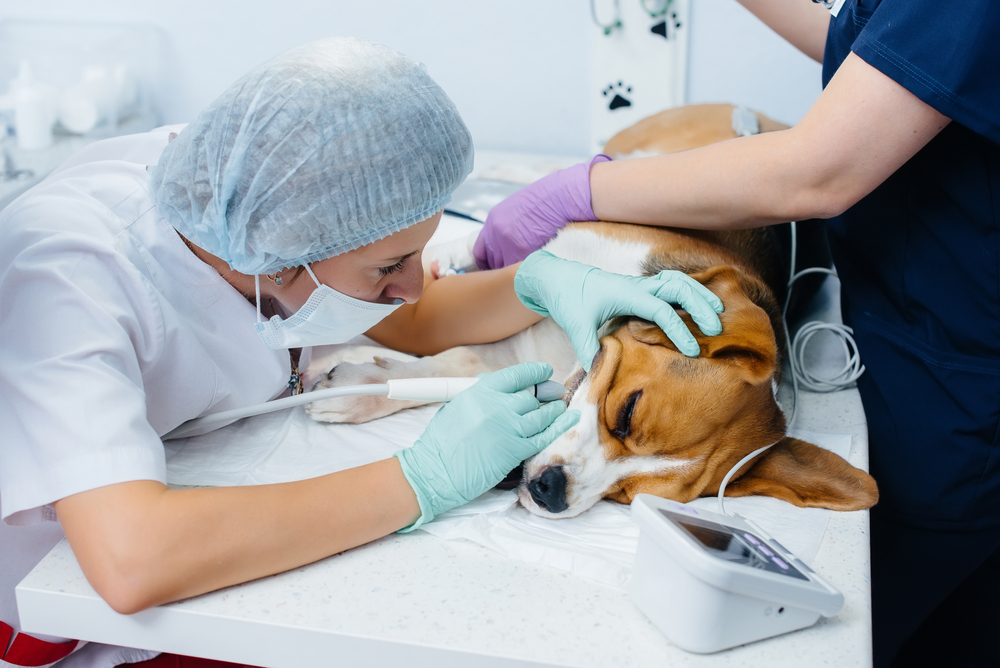
Anesthesia Focused on Safety, Not Age
Many owners fear anesthesia more than dental disease itself. Our anesthesia protocols replace that fear with measurable safety.
| Strategy | Why It Matters |
| Full medical work-up with blood tests, urinalysis, ECG, and chest radiographs | Reveals hidden problems and guides drug choice |
| Custom drug combinations for geriatric hearts, kidneys, and livers | Keeps anesthesia light and short |
| Local nerve blocks placed before we begin | Less gas anesthesia, smoother recovery, better pain control |
| Continuous electronic monitoring of blood pressure, oxygen, CO₂, ECG, and temperature | Allows immediate correction of tiny changes |
| High-speed digital imaging | Finds disease quickly, reducing time under anesthesia |
| Board-certified anesthesiologist on call for high-risk cases | Extra expertise when your pet needs it most |
Experience counts. Dr. Fulton has safely anesthetized patients ranging from eight-week-old kittens to twenty-one-year-old dogs, including pets that previously experienced heart or kidney failure. Lead nurse Ashley adds ten years of advanced anesthetic monitoring.
Why “Awake” Cleanings Do Not Protect Seniors
Anesthesia-free dental cleanings may sound gentle, yet they only scrape visible surfaces. They cannot:
- Reach infected pocket depths under the gumline
- Capture full-mouth radiographs or three-dimensional scans that find hidden root abscesses or jawbone loss
- Remove or repair fractured, painful teeth
- Keep a pet truly calm; physical restraint can be stressful and dangerous
For seniors with compromised hearts or kidneys, unfinished dentistry leaves infection smoldering and risks bigger problems later. Thorough, anesthetized care is the safest route to genuine oral health.
Seeing Beneath the Surface
Surface tartar represents only a fraction of dental disease. Full-mouth intraoral radiographs and Cone Beam CT from our advanced digital-imaging suite expose root abscesses, resorptive lesions, and bone erosion that would otherwise stay hidden. Accurate imaging lets us plan efficient procedures that shorten anesthetic time while ensuring complete treatment.
Step-by-Step Therapies for Senior Mouths
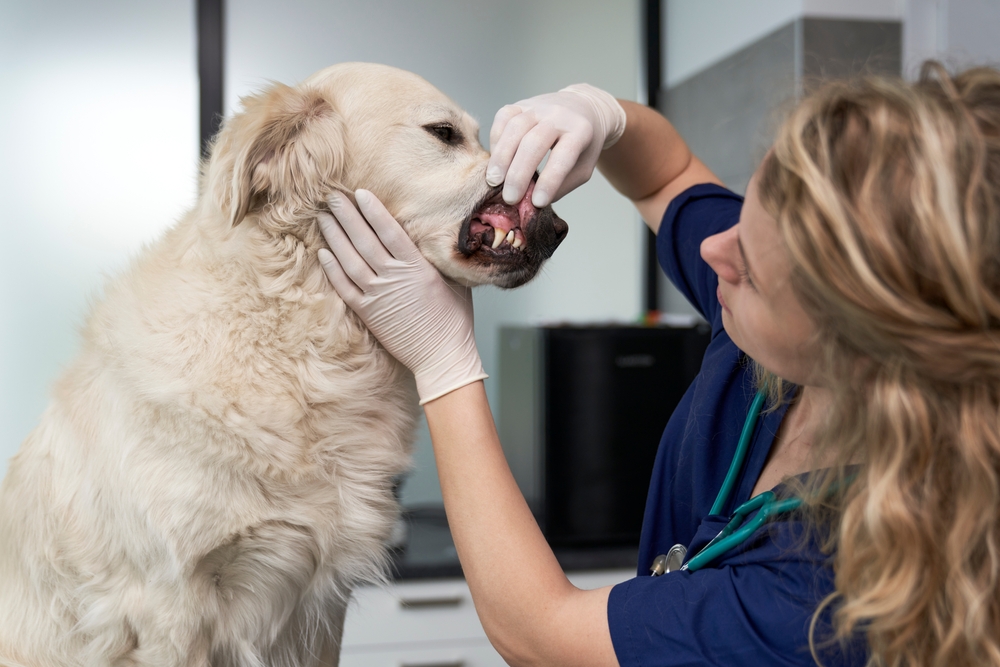
Deep professional cleaning
We remove tartar above and below the gumline, smooth rough enamel, and flush bacteria from periodontal pockets.
Periodontal rescue
Our periodontics service offers deep scaling, root planing, and guided tissue regeneration to save key teeth whenever possible.
Surgical extractions
When removal is the kindest choice, we use instruments that gently vibrate bone rather than crack it. Delicate gum flaps protect soft tissue, and procedures take place in our dedicated surgery suite to shorten healing time.
Endodontic preservation
Root-canal therapy lets us keep strategic chewing teeth working after severe fractures. Pets maintain jaw strength, bite function, and comfort.
Tumor management
Early removal of oral tumors guided by Cone Beam imaging dramatically improves survival. Accurate margins mean fewer follow-up surgeries.
Before, During, and After: A Smoother Process
- Comfortable pre-medication keeps anxiety low when your pet arrives.
- Warm, padded recovery kennels prevent stiffness in older joints.
- Tailored pain-relief plans combine local blocks, non-steroidal anti-inflammatories, and short opioid courses when needed.
- Same-day phone updates keep you informed from induction to recovery.
During your visit you will receive a clear home-care plan and direct contact information for any overnight questions.
Home Care That Extends the Benefits
Daily brushing with enzymatic toothpaste removes biofilm before it hardens. Dental diets, water additives, and chews endorsed by the Veterinary Oral Health Council add extra protection, especially for pets who resist brushing. Choose chew toys wisely and avoid ultra-hard items that can crack teeth; review the documented dangers of certain chews.
When to Book an Exam
Contact us if you notice:
- Persistent mouth odor days after brushing
- Dropping kibble, chewing on one side, or refusing hard treats
- Swollen or bleeding gums, facial swelling, or nasal discharge
- Weight loss despite a good appetite
- Less play, decreased grooming, or sudden irritability
Early care means shorter future anesthesia and fewer extractions.
Give Your Senior Pet the Comfort They Deserve
A pain-free mouth can restore appetite, brighten energy, and protect vital organs- benefits that matter at any age. If you have been waiting because anesthesia feels risky or timing never seems right, let us show you how careful planning and advanced monitoring make treatment both safe and rewarding.
Call (707) 400-0038, reach us through our contact form, or request an appointment online. The team at North Bay Veterinary Dentistry pairs specialized skill with genuine compassion to help every senior dog and cat eat, play, and enjoy life free of dental pain.



Leave A Comment