Stomatitis in
Cats and Dogs

What it is and how to treat it.

Stomatitis

Stomatitis is a generalized term that refers to inflammation of the mouth. However, this painful condition is caused by specific diseases that affect both cats and dogs, and it can be devastating to you and your pet. The term stomatitis in cats refers to feline chronic gingivostomatitis. In dogs, the disease is commonly called canine plaque-reactive stomatitis, or chronic ulcerative paradental stomatitis (CUPS). In both cases, there is an underlying immune-related disorder that results in inflamed and painful surfaces of the cheeks, tongue, and gums.
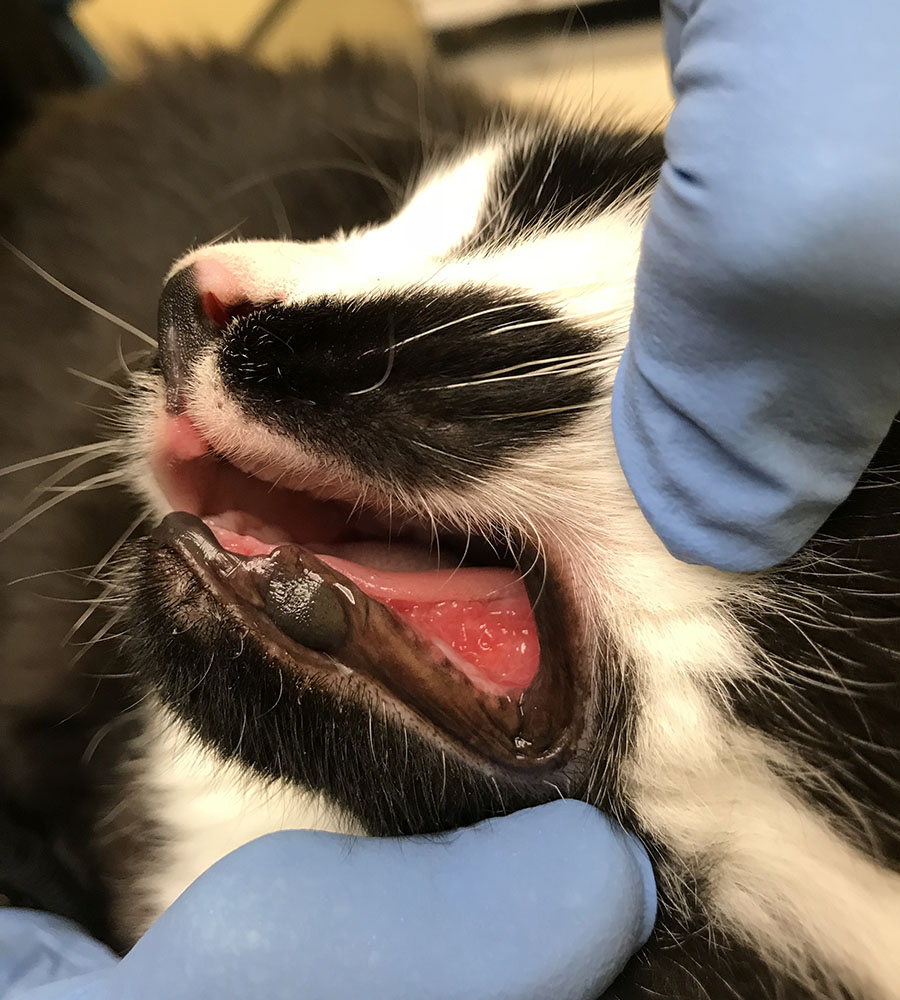
Feline Chronic Gingivostomatitis (FCGS)

FCGS is an autoimmune condition in which the cat’s immune response to the teeth and/or oral bacteria is abnormally strong. This results in inflammation and pain that can range from mild to severe. The inflammation centers on the back of the mouth, as well as around the teeth, lips and tongue. While there may be an underlying viral trigger, the exact cause is still unknown. Rarely, FCGS can be managed by maintaining a very clean mouth (anesthetized cleanings at regular intervals and daily brushing at home). Oftentimes, however, more aggressive intervention is needed to help your cat stay comfortable.

The current recommendation for cats with stomatitis is to extract the premolar and molar teeth as well as any other teeth that have significant disease present. If we recommend full-mouth extractions to treat your cat’s stomatitis, know that we do so because we have seen an excellent response in our patients. Sixty percent of cats that have stomatitis and have had tooth extractions are cured of the condition. Another 20% are significantly improved and may need medications intermittently to help with flares. Recommendations

Canine Plaque-Reactive Stomatitis If your cat falls into the 20% of cats that don’t improve significantly after extractions, we still have other treatment options that may help. In these refractory cases, we may rely on medications that reduce the immune response, such as steroids or other immunosuppressants. In other cases, we may be able to use stem-cell therapy to help achieve a pain-free mouth. We will work with you and your cat to find the best treatment options for the best quality of life. Some dogs have an abnormally strong inflammatory reaction to plaque and the associated bacteria. This can lead to ulcers or sores on the overlying lips and adjacent tongue or of the gum tissues themselves. In some cases, the inflammation becomes so severe that the cheeks may scar, which may lead to decreased ability to open the mouth fully. Other Treatment Options

In dogs with mild inflammation or with inflammation limited to a small area of the mouth, management by keeping the surfaces of the teeth extremely clean may be successful. This would include regular anesthetized cleanings as well as diligent daily brushing and use of other measures that help to reduce the amount of plaque on the teeth.

In the case of severe or generalized inflammation, or when cleanings alone don’t make a difference, sometimes medical management can be successful. In other cases, we need to selectively extract the teeth that are causing problems. While this may be a long-term concern for you and your pet, the North Bay Veterinary Dentistry team will be there for you each step of the way.
Treating Stomatitis in Dogs