
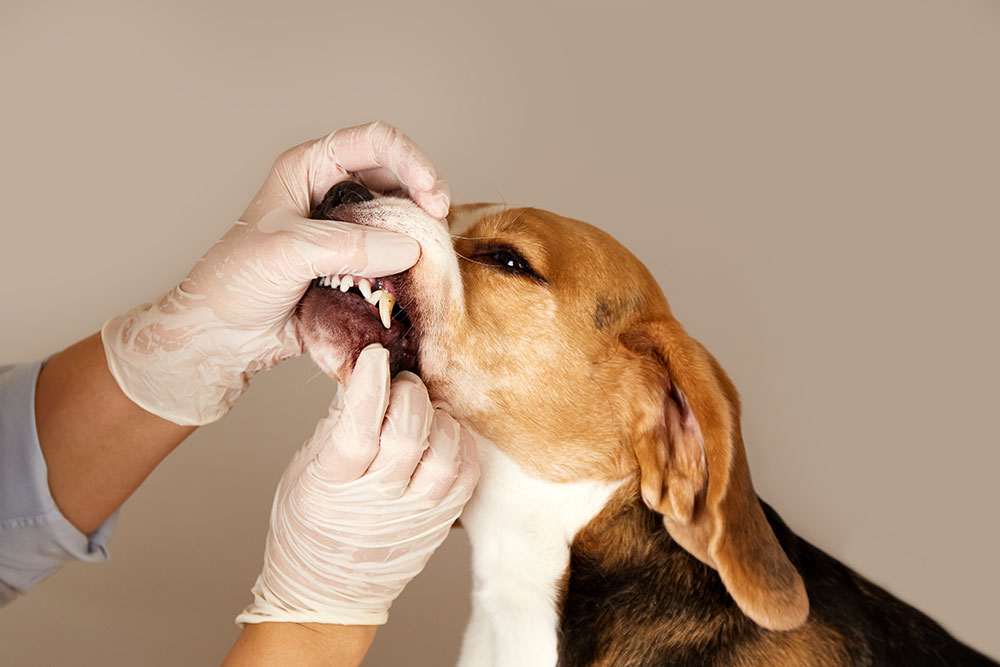
Saving Smiles: How Prosthodontic Crowns Restore Damaged Teeth in Pets
When a working dog or active pet fractures a tooth, extraction isn’t the only option. Metal crowns protect damaged teeth from further wear and restore function. This advanced dental procedure keeps pets pain-free and performing at their best.
At North Bay Veterinary Dentistry, in Petaluma, CA, our specialty practice serves dogs, cats, and exotic animals with comprehensive dental solutions. From police dogs to beloved house cats, we help pets maintain healthy, functional smiles through advanced restorative procedures.
What Are Prosthodontic Crowns and Why Do Pets Need Them?
Prosthodontic crowns are custom-fitted metal caps that cover and protect damaged teeth. While human dentistry often uses porcelain for aesthetics, veterinary crowns prioritize durability and function. These restorations allow pets to keep their natural teeth rather than losing them to extraction.
Understanding Dental Crown Prosthodontics in Veterinary Medicine
A dental crown prosthodontic procedure involves preparing the damaged tooth, taking precise impressions, and fabricating a custom metal crown that fits perfectly over the remaining tooth structure. The crown becomes a permanent protective barrier, restoring the tooth’s strength and preventing further damage.
Crowns serve multiple purposes in veterinary dentistry. They protect teeth weakened by fractures, restore function after root canal therapy, and prevent exposure of sensitive pulp tissue. Working dogs, military canines, and police dogs frequently benefit from crowns after sustaining dental injuries during training or fieldwork.
Unlike temporary fixes, prosthodontic crowns provide permanent solutions. The metal construction withstands the powerful bite forces dogs generate, particularly large breeds that can exert over 300 pounds of pressure per square inch.
Why Metal Crowns Offer Superior Protection for Active Pets
Metal crowns have proven themselves as the gold standard in veterinary dental restoration. Their exceptional durability makes them ideal for pets who use their teeth for more than just eating.
Long-Lasting Solutions for Dental Damage in Pets
When properly placed and maintained, crowns can be a long-lasting solution for pet dental issues. Many crowned teeth remain functional for the pet’s entire lifetime, eliminating the need for repeated procedures or adjustments.
Benefits of metal crowns include:
- Resistance to fracture and wear even under extreme pressure
- Protection of underlying tooth structure from bacteria and decay
- Restoration of normal chewing function and jaw mechanics
- Prevention of pain from exposed dentin or pulp tissue
The investment in a crown often costs less over time than managing recurring problems from a damaged tooth. Extraction removes the tooth entirely, potentially affecting jaw stability and bite alignment. Crowns preserve the natural tooth and its supporting structures.
At North Bay Veterinary Dentistry, our advanced technology ensures precise crown fabrication and placement. Digital imaging allows us to assess tooth structure thoroughly and create crowns that fit seamlessly.
Pet Dental Conditions That Benefit from Crown Restoration
Not every damaged tooth requires a crown, but many serious dental injuries benefit significantly from this restorative approach. Understanding when crowns are appropriate helps pet owners make informed decisions about their pet’s dental health.
Fractures and Trauma Requiring Intervention in Pets
Complicated dental fractures expose the pulp chamber inside the tooth, causing severe pain and risk of infection. These injuries occur when pets chew hard objects, experience facial trauma, or sustain impact injuries during work or play.
Common scenarios leading to crown placement include:
- Fractured canine teeth in working dogs
- Broken carnassial teeth from chewing bones or hard toys
- Worn teeth in older pets with years of abrasive chewing
- Teeth weakened by previous root canal therapy
Young, active dogs face higher risks of dental trauma. Their enthusiasm for retrieving, tugging, and exploring often leads them to bite objects harder than their teeth can handle. Large-breed dogs and those with jobs requiring bite work are particularly vulnerable.
Crowns also protect teeth after oral surgery procedures that preserve tooth structure. When root canal therapy saves a fractured tooth, a crown provides the external strength the tooth needs to function normally.
The Crown Placement Procedure: What Pet Owners Should Know
Placing a prosthodontic crown requires precision, expertise, and specialized dentistry for pets. The procedure involves multiple steps performed under general anesthesia to ensure accuracy and patient comfort.
From Evaluation to Final Restoration
Before crown placement, our team conducts comprehensive oral examinations and takes detailed radiographs. Digital imaging reveals the extent of damage, the health of the tooth root, and any underlying infections requiring treatment.
The crown placement process includes:
- Pre-procedure assessment using digital radiography and visual examination
- Tooth preparation involving careful reshaping of the damaged tooth
- Impression taking to create an exact model for crown fabrication
- Temporary protection while the permanent crown is manufactured
- Final placement with dental cement that bonds the crown permanently
General anesthesia is essential for crown procedures. It allows complete stillness during precise tooth preparation, prevents pain and stress, and enables thorough examination of all oral structures. Our experienced team monitors patients continuously throughout the procedure, ensuring safety and comfort.
Most pets receive their permanent crowns within two to three weeks of the initial procedure. During the interim period, a temporary crown protects the prepared tooth. The final crown is checked for proper fit, bite alignment, and secure bonding before the pet goes home.
Caring for Your Pet’s Dental Crown
Prosthodontic crowns require minimal special care, but certain precautions help ensure their longevity. Most crowned teeth function normally for years with appropriate management.
Maintaining Crown Integrity Through Smart Choices
Regular dental examinations let veterinarians monitor crown condition and detect potential problems early. Annual checkups should include visual inspection of the crown and radiographs to assess the underlying tooth structure.
Dental care tips for pets with crowns emphasize avoiding extremely hard objects that could damage or dislodge the restoration. While crowns are durable, they’re not indestructible.
Items to avoid include:
- Bones, antlers, and hooves
- Hard nylon chew toys
- Ice cubes and frozen objects
- Rocks and hard balls
Soft rubber toys, rope toys, and appropriate dental chews provide safe alternatives. Home dental care can continue with gentle brushing, though the crowned tooth itself requires no special attention.
Understanding fillings, crowns, and implants helps pet owners recognize that these restorations integrate into normal oral structures. The crown becomes part of the tooth, functioning just as the original enamel did.
If a crown becomes loose, shows signs of wear, or causes discomfort, contact our team immediately. Early intervention prevents complications and protects the underlying tooth structure.
Exploring Alternatives to Crown Restoration
While crowns offer excellent solutions for many dental problems, they’re not always the only option. Understanding alternative treatments helps pet owners make decisions aligned with their pet’s specific needs.
When Other Dental Procedures May Be Appropriate For Your Pet
Root canal therapy in pets treats infected or damaged pulp tissue inside the tooth. This endodontic procedure can be performed alone for some fractures, though many veterinarians recommend following it with crown placement for maximum protection.
Dental fillings work for smaller cavities or minor fractures that don’t compromise overall tooth structure. However, they lack the comprehensive coverage crowns provide and may not withstand the forces active pets generate.
Factors influencing treatment choice include:
- Extent and location of tooth damage
- Pet’s age, lifestyle, and activity level
- Presence of infection or pulp exposure
- Owner’s budget and long-term goals
Extraction remains an option when teeth are too damaged to save or when financial constraints make restorative procedures impractical. However, removing functional teeth affects bite mechanics and may lead to shifting of remaining teeth over time.
At North Bay Veterinary Dentistry, we discuss all available options with pet owners, explaining the benefits and limitations of each approach. Our goal is helping you make informed decisions that prioritize your pet’s comfort and quality of life.
Protecting Your Pet’s Dental Health for Life
Dental health directly impacts overall wellbeing. Painful teeth affect eating, behavior, and quality of life, while untreated dental disease can lead to systemic infections affecting vital organs.
Prosthodontic crowns represent advanced veterinary dentistry at its finest, combining medical expertise with restorative artistry. These procedures preserve natural teeth, restore function, and eliminate pain, allowing pets to continue their active lives without compromise.
Whether your pet has sustained a dental injury or you’re exploring options for damaged teeth, our specialty practice provides the expertise and technology needed for successful outcomes. Schedule a consultation to discuss how prosthodontic crowns might benefit your pet, or request an appointment if you’re already part of our practice family.


Leave A Comment